

An application to build 48 new homes and a village shop in Semington is being considered by Wiltshire Council.
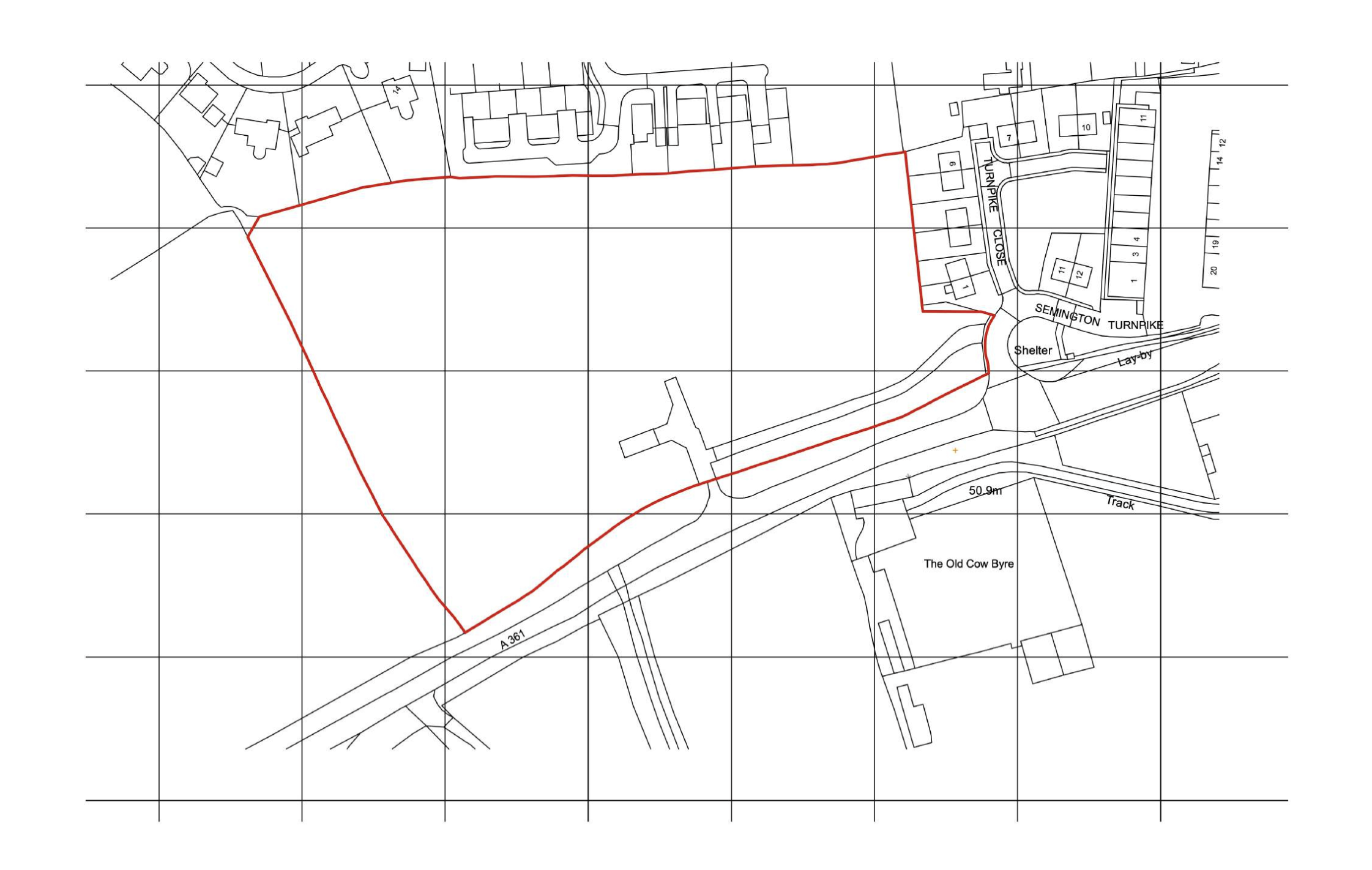
The plans submitted by Hollins Strategic Land LLP propose to develop a mix of housing types on land west of Semington Turnpike.
The site is on 2.6 hectares of agricultural land and is known locally as the ‘auction field’ because it was previously used for livestock sales. It is allocated for development in Semington’s Neighbour-hood Plan.
In the Design and Planning Statement it says the development is intended to create a ‘well connected and sensitive extension to Semington that responds to the distinctive character of the local area.’
Semington Parish Council unanimously resolved to support the application, however it has also commented via Wiltshire Council’s planning portal raising concerns about plans to move the village shop further away from the entrance at the A361.
Chair of Semington Parish Council William Scott said the shop is at the ‘heart of the proposal’ and the reason why the land was brought forward for development through Semington’s Neighbourhood Plan.
He said, “This hiding away of the shop would materially affect the commercial viability of the shop and therefore its attraction to potential operators. The design team seems not to have fully grasped the reason that the plan got such overwhelming public support in the referendum. It is vitally important that nothing is done to wreck the viability of the shop by taking it away from the entrance.”
Support Melksham News
Help us keep your community connected and informed.
Local news is under pressure more than ever. Choose a monthly subscription or a one-off donation to support independent reporting in Melksham.
Send us your news!
Help us keep your community connected and informed.
Do you have an interesting story you would like to share? Have you seen something you feel needs more attention? Get in touch with a reporter today!
✉️ Click here to get in touch with a reporter






I want to point out that the site was called the sales field because it was not only livestock but sheds and farm machinery that was for sale. It was never called the auction field